
This article is part of the educational series Health at Home, where we aim to give you practical, effective information to fight lower back pain and regain your freedom of movement.
Lower back pain is one of the most widespread musculoskeletal problems, affecting millions of people every day. Why do you think it is so hard to get rid of it for good? The answer is simple: most available treatments focus on reducing symptoms, not on eliminating the cause.
To get lasting results, it is essential to take a comprehensive approach that combines passive methods, active strategies and innovative technologies, with prevention and patient education at its center.
What solutions are available?
1. Passive treatments: fast but temporary relief
If you are dealing with acute pain, your first impulse is probably to look for an immediate solution. Passive treatments are ideal for this purpose, but they do not solve the problem at its root.
- Anti-inflammatory and pain relief medication: These are useful for reducing inflammation and pain, but long-term use can have side effects on the digestive and cardiovascular systems.
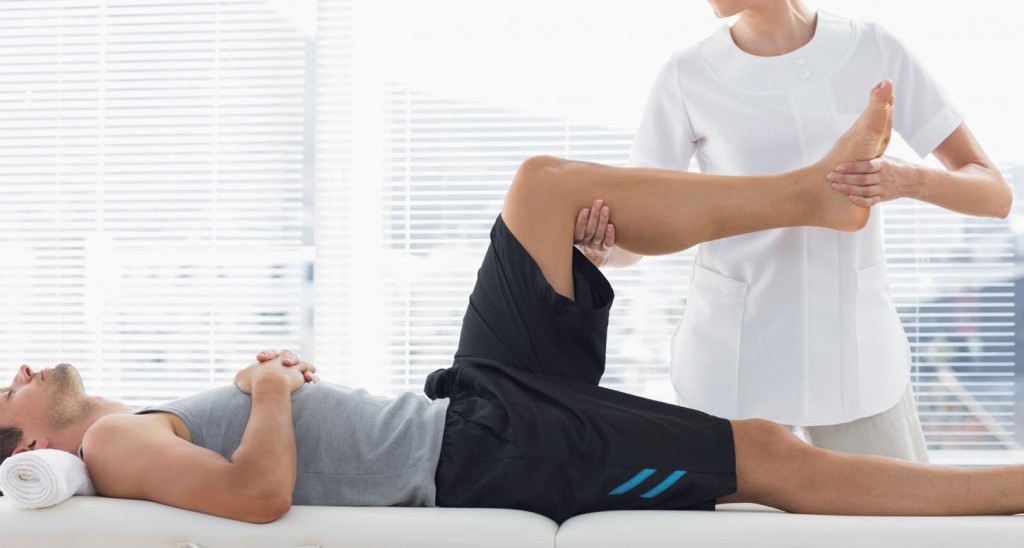
- Manual therapy and massage: Massage and manual therapy can improve local circulation and muscle relaxation, giving a feeling of comfort, but without a functional retraining plan, the effects are only temporary.
- Rest and lumbar support belts: Although they can provide support in an acute phase, prolonged use of lumbar belts can lead to muscle atrophy and an unwanted dependence on external support.
2. Active interventions: the key to effective rehabilitation
For lasting relief, you need to take an active part in the rehabilitation process. Correct movement is the best weapon against lower back pain!
- Physiotherapy and core strengthening exercises: Specific exercises help stabilize the spine, improve motor control and reduce the risk of recurrence. Functional, progressive exercises are essential for effective rehabilitation.
- Posture correction: Good posture reduces pressure on the spine and prevents overloading the lower back muscles. Training postural awareness and correct movement in daily activities is essential for preventing future pain.
- Controlled mobilization and stretching: Active stretching and mobilization techniques help maintain flexibility and reduce the muscle tension that can contribute to pain.
3. Modern technologies: support for rehabilitation
Medical innovations offer effective solutions for speeding up healing and optimizing musculoskeletal function.
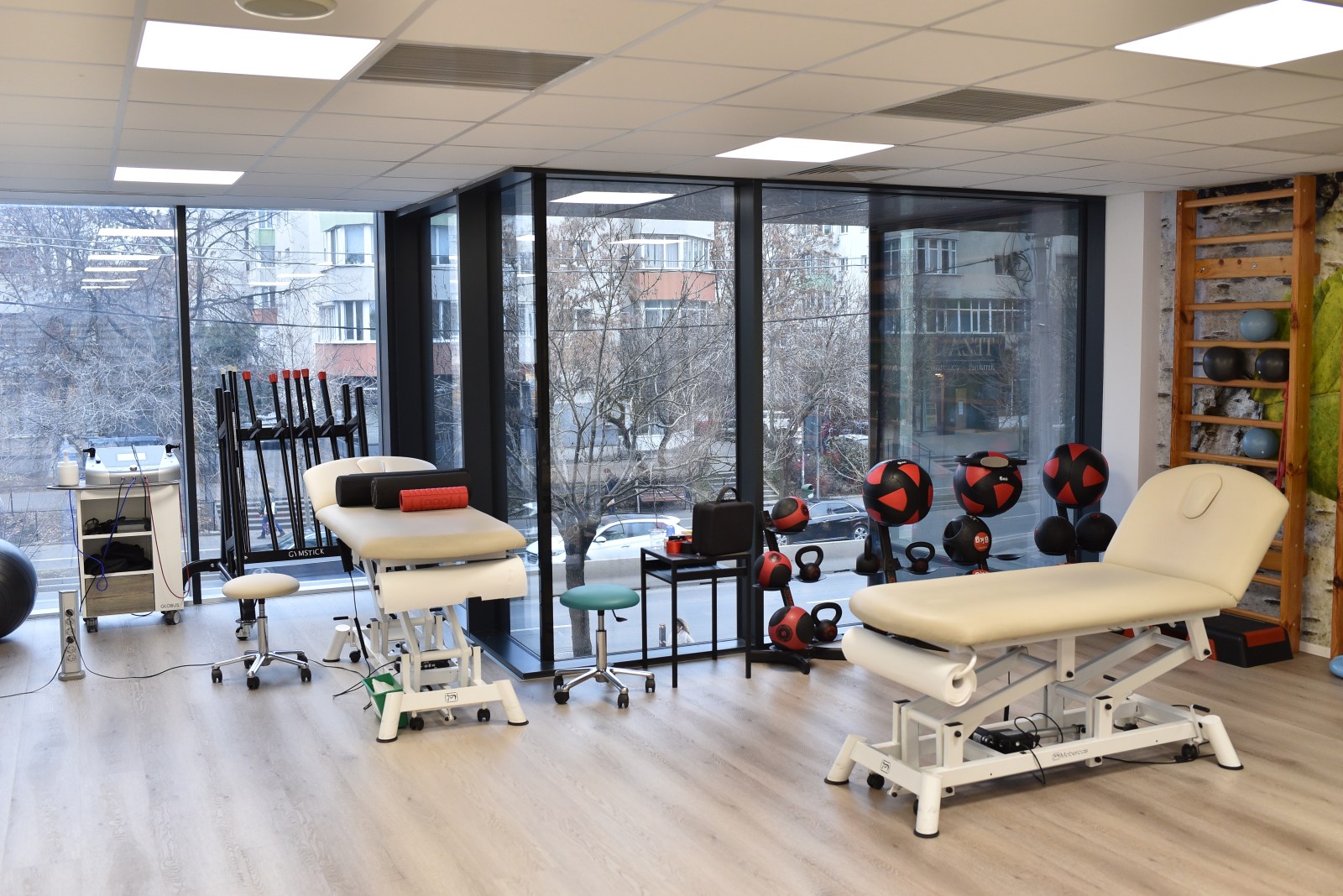
- Laser therapy: Stimulates tissue regeneration, reduces inflammation and can improve local circulation, speeding up healing.
- Electrotherapy: Can be used to reduce pain and stimulate weakened muscles, playing an important role in neuromuscular rehabilitation.
- Posture correction devices: Braces and biofeedback systems help maintain correct posture and reduce pressure on the spine, but they should be used alongside specific training.
- Computerized technology and innovations in functional rehabilitation: New methods based on advanced biomechanics help retrain postural control and active core stabilization, offering personalized solutions for patients.
The limitations of current treatments
Although existing methods can provide relief, they do not solve the underlying problem. If the pain keeps coming back, it is clear that an essential element is missing from your rehabilitation strategy: prevention!
What comes next?
In the next article of the Health at Home campaign, we will talk about primary prevention, the most effective way to avoid developing lower back pain and to keep your back healthy in the long term. Stay with me to discover the most effective ways to protect the health of your back and live without pain!
If you would like a BackFix evaluation, we look forward to seeing you at our clinic at Str. Zăgazului, 21-25, Bucharest. To book an appointment, call 0723573027 / 0723573028.
OR
For telemedicine consultations, click the link below and take advantage of the free launch offer!
Let's stay healthy and fit, whatever challenges we face!
Warm regards,
Physiotherapist Dr. Daniela Schor