
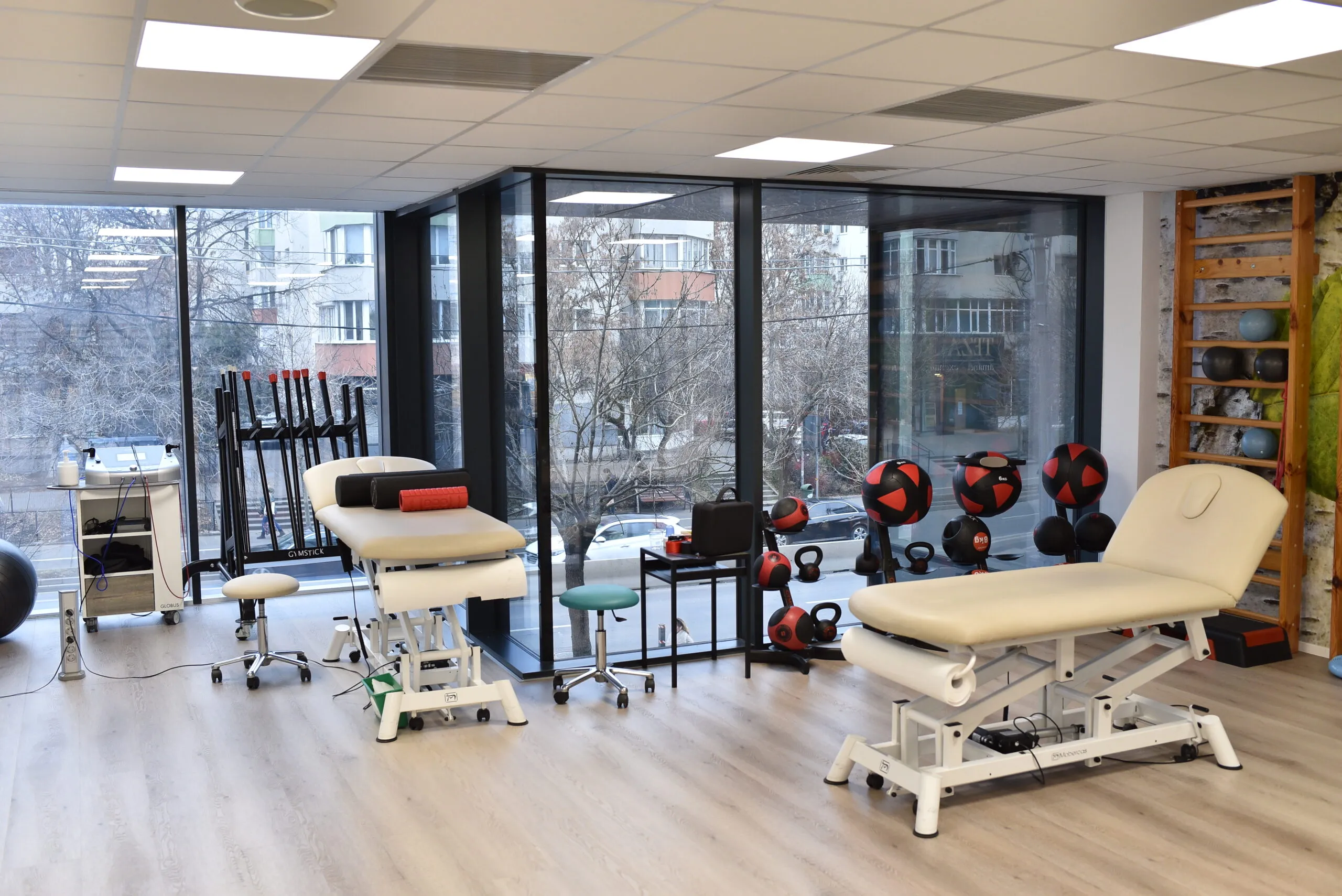
As part of our “Health at Home” campaign, we want to highlight the importance of spine health and the impact that spine conditions have on our lives.
Since the very beginning of my career as a physiotherapist, most of the patients who came to our practice had spine problems. Spine conditions are among the most common health problems worldwide, affecting millions of people every year. It is important to understand their impact before experiencing it firsthand. Unfortunately, poor spine health is not limited to the physical pain and discomfort it causes; it also carries economic, social and emotional costs. In this article we will look at the different aspects of these costs and stress the importance of a comprehensive, preventive approach to managing spine conditions.
First, there are the direct medical costs, which include spending on medical consultations, imaging (such as MRI or X-rays), conservative treatments (physical therapy, physiotherapy) and surgery. Studies show that in the United States, the costs of treating spine conditions amount to about 90 billion dollars a year. In Europe, these costs can reach up to 7% of total public health spending.

Then there are the indirect economic costs, through the significant impact of these conditions on productivity. They can lead to lost workdays, reduced performance at work and, in severe cases, permanent inability to work, which limits the person's income. According to the World Health Organization (WHO), back pain is one of the leading causes of long-term work disability, affecting about 540 million people worldwide. Indirect costs, such as economic losses due to absenteeism and reduced productivity, are estimated at over 100 billion dollars a year in the United States.
Another cost, probably the most important one, which directly affects the individual and their personal world, is the psychological and social impact. There are hidden risks when spine pain is left to drag on, leading to severe disability. The psychological consequences of spine conditions are often underestimated. Chronic pain can lead to anxiety, depression and other mental health problems. These psychological conditions can worsen physical symptoms and complicate treatment, creating a vicious circle of pain and suffering. The social impact should not be overlooked either: people with spine conditions may find it hard to maintain their economic, social and family relationships, which can lead to isolation and a lower quality of life.
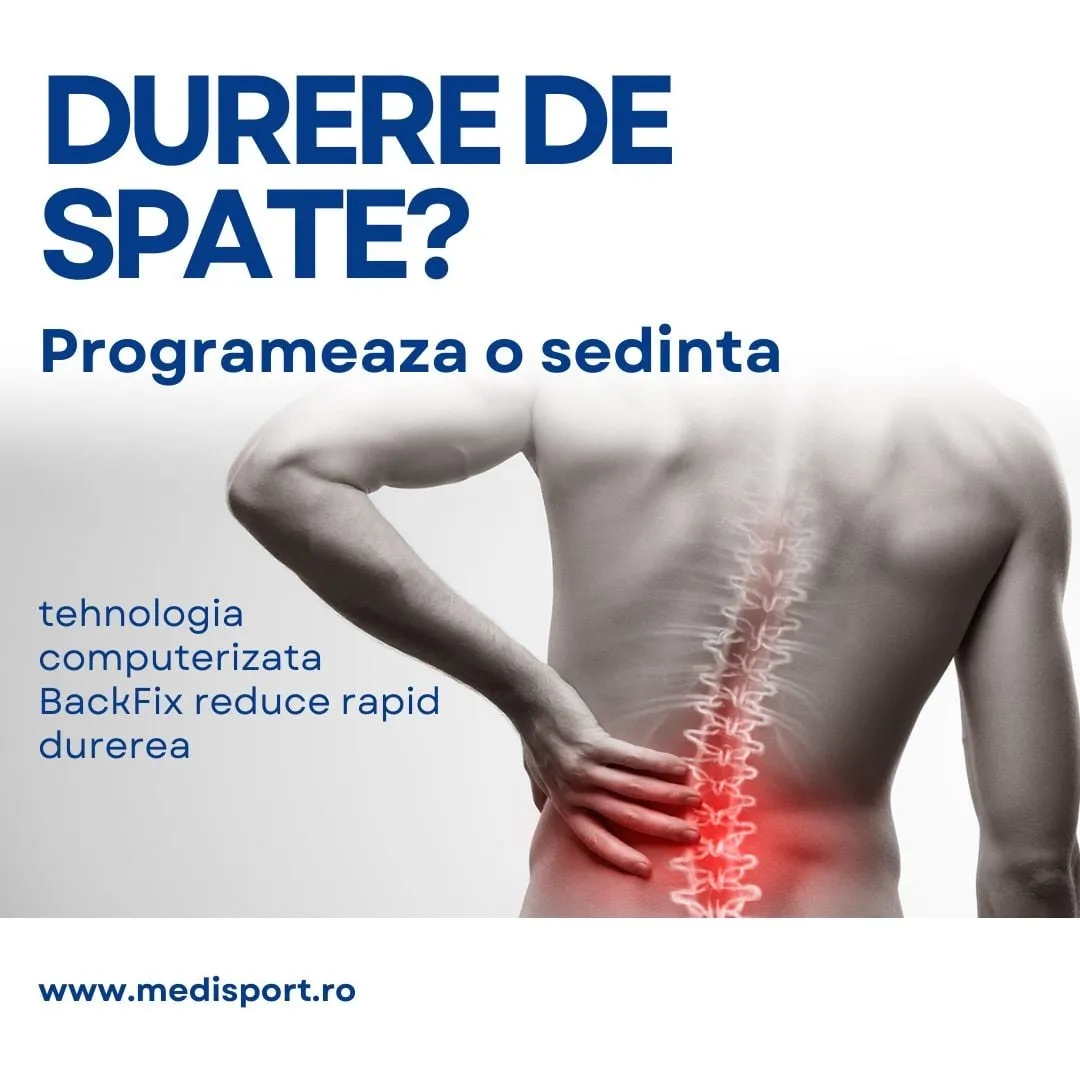
Given the scale of these consequences, the most appropriate approach is prevention and active management of spine health.
Prevention is key to reducing how often spine conditions occur and how severe they become. Education programs on correct posture, workplace ergonomics and regular physical exercise are especially important. In addition, access to early and effective treatment, such as physiotherapy, can prevent symptoms from setting in and progressing and can reduce the need for costly surgery.
In conclusion, spine conditions are a significant burden both for individuals and for society as a whole. The associated costs are varied and complex, including direct medical expenses, indirect economic losses and psychosocial consequences. It is essential to address these problems through a comprehensive strategy of prevention, treatment and psychological support, to minimize their impact and improve patients' quality of life. Physiotherapists play a particularly important role in the prevention, treatment and management of spine conditions.
If you would like a BackFix assessment, we look forward to seeing you at our practice at Str. Zăgazului, 21-25, Bucharest.
Tel 0723573027 / 0723573028
For telemedicine consultations, click the link below and take advantage of our free launch offer!
Medisport4Home
Let's stay healthy and fit, whatever challenges we face!
Warm regards,
PT Dr. Daniela Schor