
As part of our “Health at Home” initiative, today we will discuss the exercise intensity that brings about positive adaptations in our bodies.
Studies show that the stability of the lumbar spine can be maintained effectively with minimal activation of the paraspinal and abdominal muscles. For example, for everyday tasks you need only 5% of the maximum voluntary contraction of the abdominal muscles and 25% of the contraction of the back muscles.
This minimal activation is not enough to keep the spine healthy in the long term. It only provides momentary stability, and without additional training, the muscles will not be strong enough to prevent wear and degeneration. It is essential to train your muscles at higher intensities than those required for everyday tasks if you want to keep your spine strong and healthy.
The spine: the pillar of your health
The spine is not just a simple structural support, but the central axis that supports every movement and postural adjustment of the body. It is the result of a complex collaboration between the nervous, muscular, skeletal and joint systems. If you do not maintain good posture and do not train your muscles enough, your spine will quickly feel the consequences. In the long run, your quality of life can suffer, not only because of discomfort but also because of chronic health problems.
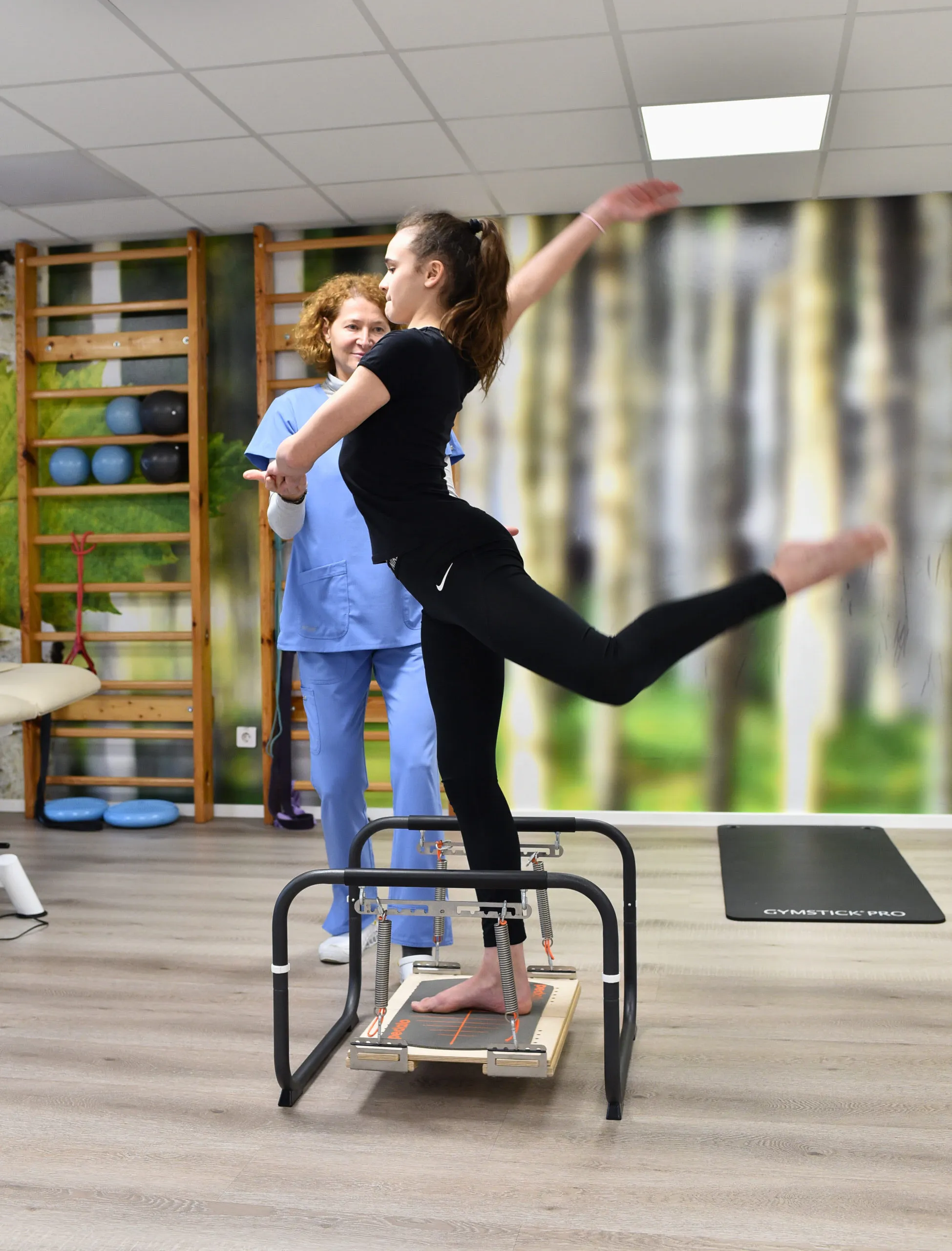
Why do spine problems occur?
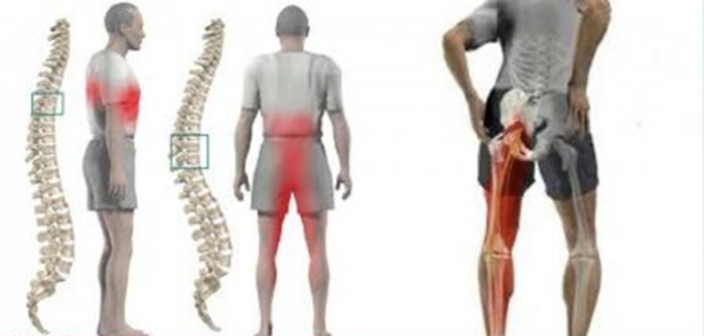
Even the most active among us are not immune to spine problems. Many of these problems are caused by poor postural habits and muscle imbalances. If they are not corrected early, they can lead to serious conditions.
- Sedentary living and static postures: Sitting at a desk for long periods reduces muscle strength and joint mobility, putting extra pressure on the vertebrae and encouraging postural problems.
- Muscle imbalances: When the muscles do not work in harmony, the spine suffers. These imbalances can lead to deformities such as scoliosis or kyphosis, which are difficult to correct once they set in.
- Poor postural habits: The small adjustments you make every day, such as leaning the wrong way or sitting badly at your desk, can become habits that harm the health of your spine.
Don't let these habits become normal! Each of these causes can be corrected, but it is essential to act before the problems become chronic.
Concrete steps to protect your spine
Don't wait for pain to become a real problem. Here is what you can do right now to protect your spine:
- Appropriate physical exercise: Regular physical activity is crucial for the health of your spine. Exercises that involve the pelvic and shoulder girdles are essential for maintaining muscle and joint stability and function. We recommend a 30 to 40 minute maintenance program for the trunk muscles and the body in general, 3 times a week. A personalized assessment is needed to set the appropriate loads and intensity.
Remember: The stability of the lumbar spine can be maintained with minimal muscle activation, but this is not enough to prevent long-term conditions. Consciously training your muscles at higher than minimal intensities is the key to preventing degeneration and keeping your spine strong and healthy.
- Posture correction: Adjust your posture in all your daily activities, whether you are sitting at a desk, driving or relaxing at home. Good posture prevents deformities and reduces the risk of spinal degeneration.
- Proprioception exercises: Proprioception, the body's ability to sense its position and movements, is essential for maintaining balance and preventing injuries. Proprioception exercises contribute significantly to the stability and health of your spine.
- See a specialist if you want to focus on prevention or if you already feel pain or discomfort in your spine. Don't put off seeing a physiotherapist. A personalized physiotherapy plan can help you prevent problems from developing or getting worse and help you regain mobility and comfort.
Prevention is key
Protecting your spine is one of the most important long-term investments in your health. Every decision you make, whether it is correcting your posture, doing the right exercises or seeing a specialist, helps keep your spine healthy. Don't let pain and discomfort become part of your life.
Act now to protect your spine!
If you would like an objective, quantitative BackFix assessment combined with a qualitative assessment, we look forward to seeing you at our clinic at Str. Zăgazului 21-25, Bucharest.
Phone 0723573027 / 0723573028
For telemedicine consultations and functional assessments, click the link below and take advantage of our free launch offer!
Medisport4Home
Let's stay healthy and fit, whatever challenges come our way!
Warm regards,
Dr. Daniela Schor, PT,
Physiotherapy expert
Article references:
- Cholewicki, J., & McGill, S. M. (1996). Mechanical stability of the in vivo lumbar spine: Implications for injury and chronic low back pain. Clinical Biomechanics, 11(1), 1-15.
- Puntumetakul, R., et al. (2021). Effects of core stabilization exercise and strengthening exercise on proprioception, balance, muscle thickness and pain related outcomes in patients with subacute nonspecific low back pain: a randomized controlled trial. BMC Musculoskeletal Disorders.
- Koumantakis, G. A., et al. (2022). Long-term effects of core stability and general exercise on balance and lumbar spine stability in patients with chronic low back pain. Clinical Biomechanics.