

As part of the “Health at home” campaign, we are starting a series of articles on the global problem of lower back pain and on the solutions available through treatment and prevention.
At the start of the year, we all want to be healthier, happier and more fulfilled. But if lower back pain disrupts your plans, all these goals can become hard to reach. After more than 25 years of experience in physiotherapy, working with thousands of patients and seeing firsthand the impact of lower back pain on their lives, I can tell you one thing clearly: lower back pain can be prevented, treated and even eliminated for good. Even so, it remains a major global problem.
Why? The statistics say it all: 80% of the world's population experiences lower back pain at least once in their lifetime. This is not just a medical problem, but a social, economic and emotional one.
Although solutions exist, the root of the problem, primary prevention, is often ignored or misunderstood. Primary prevention means taking action today to avoid pain tomorrow.
In this series of articles, I will share not only science-based information but also strategies validated by my clinical experience. We will start by analyzing the problem, explore the existing solutions and, most importantly, discuss the complete solution: primary prevention.
If you want to understand how to protect your back and prevent lower back pain, stay with me. I will show you how you can transform the health of your spine and start the year with a back that is stronger and healthier than ever!
Lower back pain, a global problem
What lower back pain is, who is most at risk, the predisposing, contributing and triggering factors, and the short- and long-term consequences are all important things to know for the purpose of prevention.
What is lower back pain?
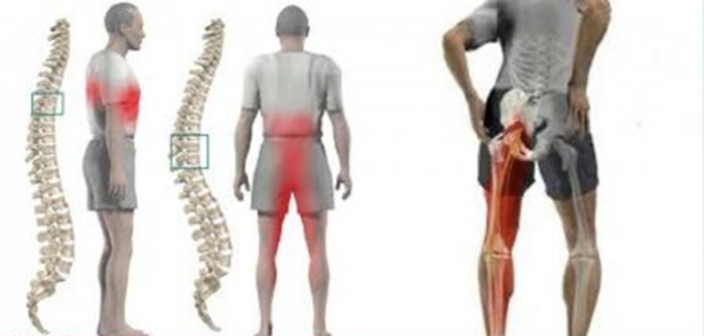
Lower back pain refers to discomfort or pain felt in the lower part of the back, between the lowest ribs and the gluteal area. It can be short-lived (acute) or persistent (chronic) and can sometimes radiate to the legs, affecting mobility and daily function.

Predisposing factors
These factors increase the likelihood of developing lower back pain:
- Age: The risk increases with age due to the natural degeneration of the intervertebral discs and joints.
- Genetic predisposition: Some people have an inherited vulnerability to spinal conditions, such as lumbar disc disease.
- Sex: Studies suggest that women are more susceptible to lower back pain, especially during pregnancy and menopause.
Contributing factors
These factors create ideal conditions for lower back pain to develop:
- Sedentary lifestyle: Long periods spent sitting without movement weaken the muscles that support the spine.
- Obesity: Excess body weight puts extra pressure on the spine and the lumbar joints.
- Smoking: It affects blood circulation to the intervertebral discs, promoting their degeneration.
Triggering factors
These are events or activities that bring on lower back pain:
- Sudden or incorrect movements: Lifting heavy objects without the correct technique can overload the muscles and ligaments.
- Injuries: Sports injuries, falls or blows can cause inflammation and damage to the lumbar structures.
- Stress: Chronic emotional tension can lead to muscle spasms that make lower back pain worse.
Who is most at risk?
Lower back pain can affect anyone, but certain groups are at higher risk:
- People who work in offices: Poor posture and lack of movement contribute to muscle imbalances.
- Manual workers: Intense, repetitive physical activities increase the risk of overloading the lower back.
- Pregnant women: Physiological changes and weight gain put extra pressure on the spine.
Consequences of lower back pain
Untreated or poorly managed lower back pain can lead to:
- Functional limitations: Difficulty carrying out daily activities such as walking, lifting objects or standing.
- Social isolation: Chronic pain can affect personal relationships and social life.
- Economic costs: Lost work capacity and medical expenses increase the financial burden on individuals and society.
What comes next?
Now that we better understand what lower back pain is and who is most at risk, in the next article we will explore the solutions available for managing it, and finally we will talk about the ideal solution: primary prevention.
We will look at the therapeutic options, from passive treatments to active approaches and modern technologies. Stay with me to discover the most effective ways to protect the health of your back and live without pain!
If you would like a BackFix evaluation, we look forward to seeing you at our clinic at Str. Zăgazului, 21-25, Bucharest. To book an appointment, call 0723573027 / 0723573028.
OR
For telemedicine consultations, click the link below and take advantage of the free launch offer!
Book me an appointment at the clinic!Book me an online consultation!Let's stay healthy and fit, whatever challenges we face!
Warmly,
Physiotherapist Dr. Daniela Schor