
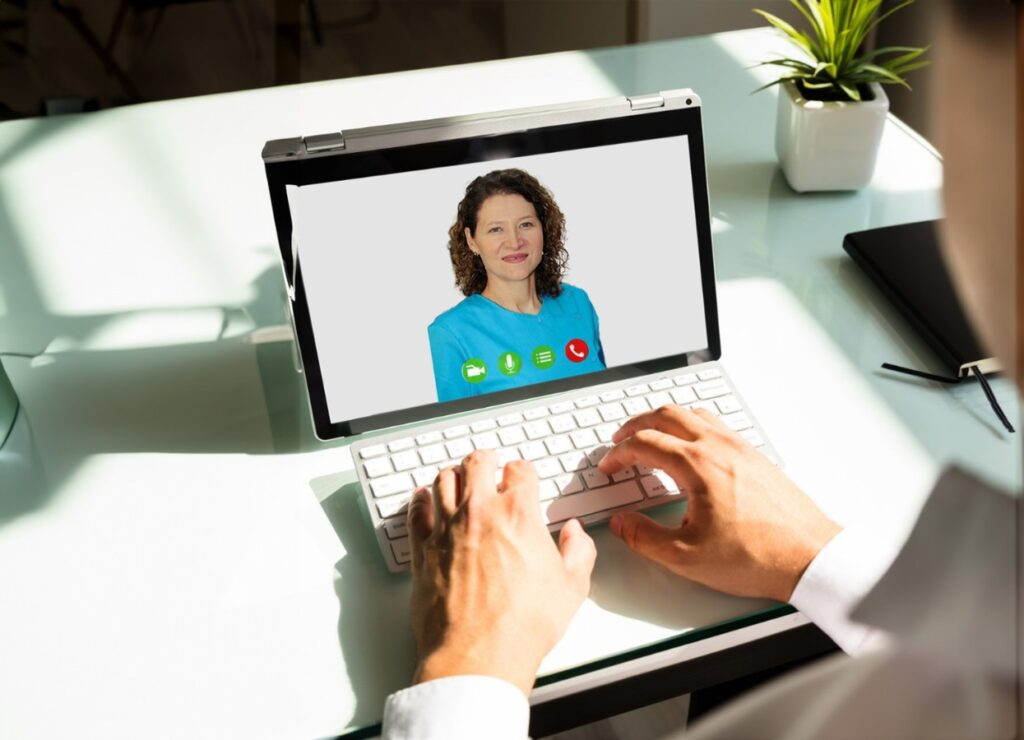
As part of the “Health at Home” campaign, today we talk about how you can take control of your back pain from the comfort of your home.
Chronic nonspecific lower back pain is one of the most common problems that can affect your life. Almost 70% of people experience lower back pain at some point in their lives, and if your pain lasts longer than 3 months, it may be time to do something serious about it. You may think you need long, tiring trips to the clinic to get rid of the discomfort, but the reality is different:
Core stability exercises, done through telemedicine, can transform the way you treat your back pain.
This article shows you how you can use core stability exercises and telemedicine to get rid of pain, regain your mobility and improve your overall health.
What is core stability and why is it so important?
The core muscles, meaning the abdominals, the lower back muscles and the pelvic muscles, are essential for supporting the spine. If these muscles are weak or untrained, your spine will bear more pressure, which can lead to severe pain. Core stability exercises help you strengthen these deep muscles, reducing tension and improving your posture.
The result? Less pain, a more stable spine and a better ability to handle everyday challenges.
Telemedicine: the future of physical rehabilitation
Telemedicine lets you recover without leaving home. Through your internet-connected devices (phone, laptop or tablet), you receive personalized guidance from a professional physiotherapist. Every exercise is explained and monitored online, so you can be sure you are progressing safely and correctly.
Telemedicine sessions
It is fast, accessible and effective, cutting out time lost traveling and giving you the chance to rehabilitate at your own pace.
BOOK NOWHow can telemedicine help with your lower back pain?
A recent study compared the effectiveness of core stability exercises done in a clinic with the same exercises done at home through telemedicine. Those who followed the online program had the same positive results as those who went to the clinic. Both groups reported a significant reduction in pain-related disability, increased confidence in managing their pain and a considerable improvement in psychological well-being (less anxiety, stress and depression).
This means that telemedicine works just as well as in-clinic therapy, giving you the flexibility to recover without complications.

What are the benefits of telemedicine for lower back pain?
- Pain reduction: The exercises activate the muscles that support the spine, reducing pressure on the intervertebral discs and bringing you significant relief.
- Improved posture: Strengthening your core helps you maintain correct posture, reducing stress on the spine.
- Increased mobility: You will notice greater flexibility and be able to carry out daily activities without discomfort.
- Improved psychological well-being: Chronic pain is often associated with anxiety and depression. Core stability exercises will improve your mood and lower your stress levels.
- Improved self-efficacy: Telemedicine helps you gain confidence in your ability to manage your pain and take control of your own recovery.
How does a telemedicine program for lower back pain work?
- Direct guidance: The physiotherapist gives you a real-time consultation and sets up your personalized exercise program. In your program you will perform movements that are essential for your condition, all chosen specifically for you to strengthen your core muscles.
- Long-term monitoring: Even though you do the exercises at home, you will be monitored so we can make sure you are progressing steadily.
- Personalized adjustment: The program is flexible and tailored to your specific needs, so you progress without the risk of overexertion.
- Convenience and accessibility: You do the exercises when it suits you best, saving time and removing the stress of trips to the clinic.
Conclusion: rehabilitation through telemedicine works!
If you suffer from chronic lower back pain, core stability exercises are the key to reducing your pain and improving your function. Telemedicine makes this process accessible and effective, giving you the chance to work with a specialist directly from home. The results are clear: you can get the same benefits as in the clinic, with much greater comfort and flexibility.
Don't let pain control you any longer! Click the link below and claim one of the 100 free launch consultations, for yourself or someone you love!
Discover how you can return to an active, pain-free life!
Book now!.
Warm regards,
Dr. Daniela Schor, physiotherapist,
Physiotherapy expert
Bibliography
Akodu, A. K., Adedeji, A. R., Zibiri, R. A., & Bakre, A. T. (2024). Effect of telerehabilitation-based core-stability exercise on pain-related disability, pain self-efficacy, and psychological factors in individuals with non-specific chronic low back pain: a randomized controlled study. Bulletin of Faculty of Physical Therapy, 29, 28. https://doi.org/10.1186/s43161-023-00135-7